
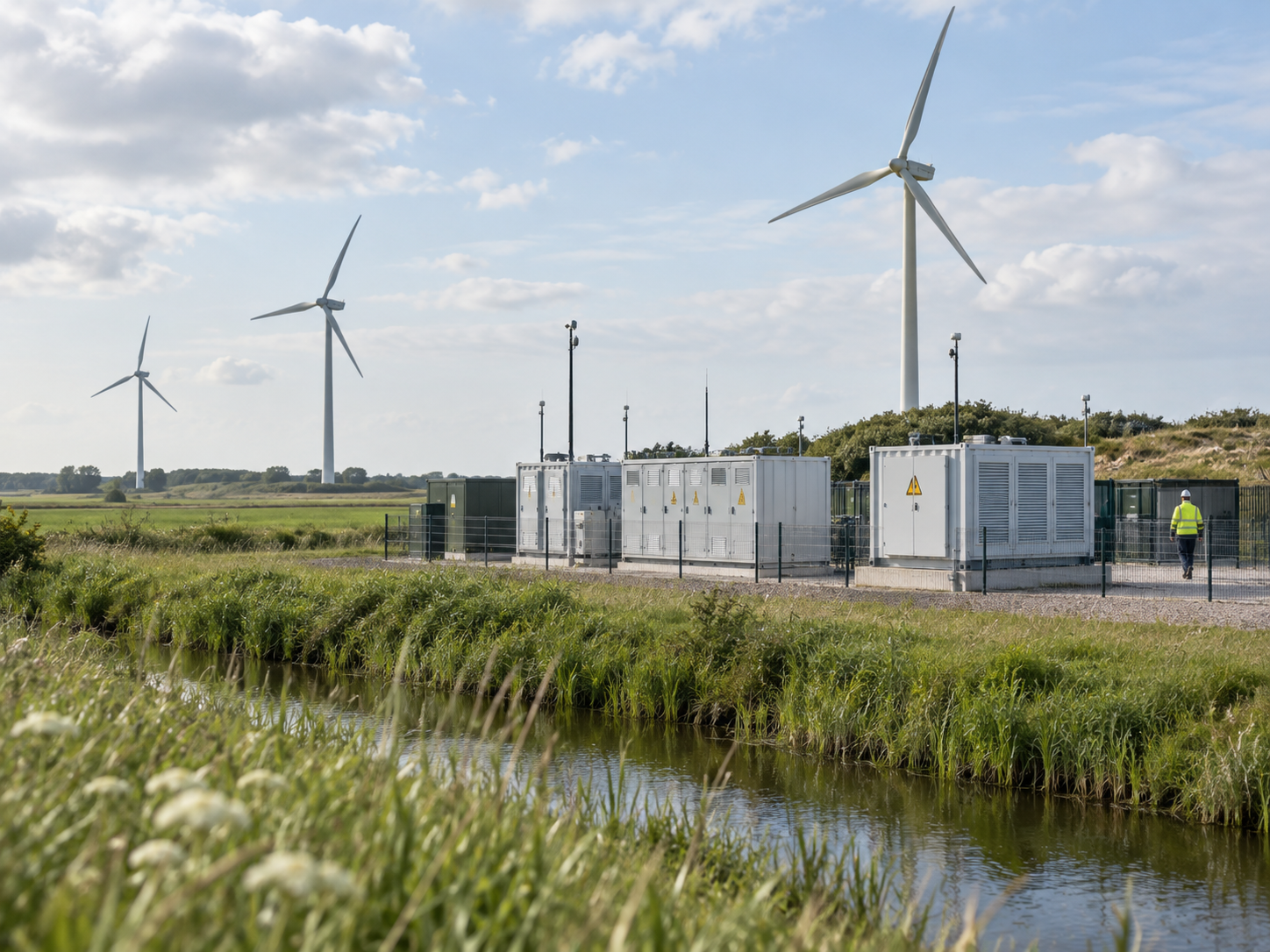
Front-runners in the energy transition
Powerpeers is an energy supplier with a mission to make life greener together. Its platform lets consumers share energy directly with each other, connecting people who generate a surplus with people who need power.
Members use locally generated energy as efficiently as possible — looking after each other and a greener Netherlands at the same time.
Dealing with the energy crisis
A more volatile market — driven in part by the war in Ukraine — brought sharply fluctuating prices. Fixed contracts disappeared, variable pricing created uncertainty, and the model contract arrived as a new and possibly temporary form.
Powerpeers needed something flexible and maintainable, where prices for new customers could be adjusted daily while the business kept running. In a landscape built around fixed contracts and long variable periods, that meant a substantial change to both systems and processes.
More flexibility, no customer impact
The heart of the solution was recording contract and product characteristics at customer level. Every customer can hold a contract with its own properties — price, term — and those properties can change daily. A new product with a different term or price is now configured and offered in moments.
We started by mapping the business processes and the logic behind them. Only then did we adjust the billing systems, agreeing data structure guidelines with the application specialists involved. Working in parallel shortened the overall project.
- Recording different products and contract types at customer level
- Creating new tariff periods automatically when rates change for the relevant customers
- Reporting that gives insight into sales figures and gross margins
- An extensive data migration so historical products and prices work within the new structure
Responding quickly and accurately
Powerpeers now has a solid base to strengthen its position in the energy market further. Hard numbers are difficult to attach to this, but the company can respond quickly and accurately to changing market conditions — essential to stay competitive in the Dutch market.
Time-to-market for new products is significantly shorter, and prices for new customers follow the actual purchase rate directly.
Flexibility matters enormously to Powerpeers, and this solution gives us exactly that. Because we can introduce new products and new prices very quickly, we can respond faster to what the market does. Conceived today, implemented tomorrow.
More customer stories
Curious what this would look like for you?
Bring one process that costs you time. We will walk through how it would run orchestrated across the systems you already have.